Why Chick-fil-A Menu Prices Vary by Location
A clear method for comparing menu estimates with the price at the restaurant you choose.
There is no single menu total that applies to every restaurant and order method. Chick-fil-A states that menu prices vary by location and directs guests to select a restaurant and order type to view local prices. This guide explains how to compare like with like, where independent estimates fit, and why the checkout total is the final number to review.
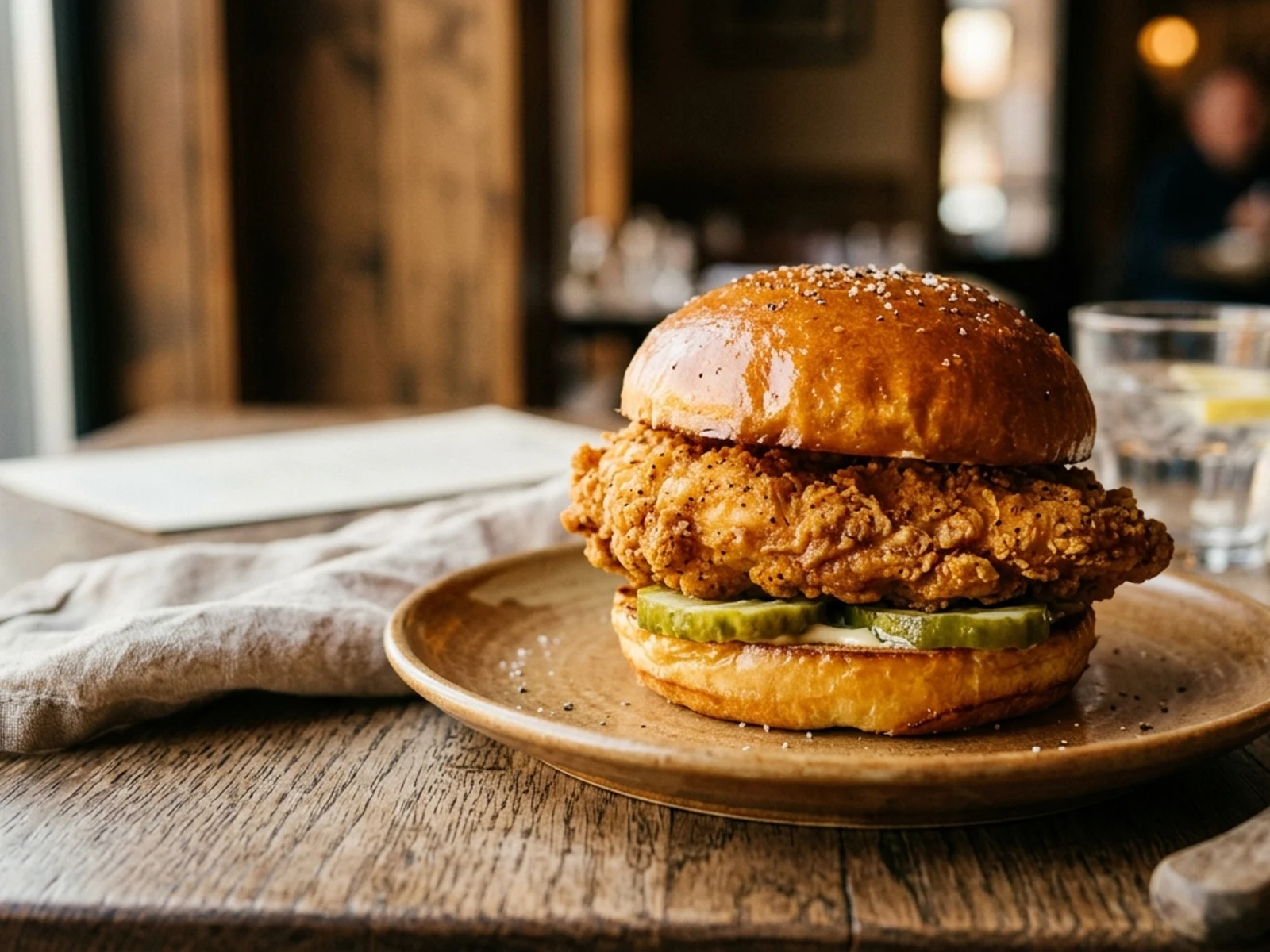
Fig 1.0 — Use the selected restaurant’s current menu when comparing prices.
I. A menu estimate is not a store quote
A national menu page is useful for learning what an item is and planning a rough budget. It does not necessarily show the price at the restaurant you will use. Chick-fil-A’s customer-support guidance says prices vary by restaurant and recommends selecting a location in its app or website to view that restaurant’s menu prices.
That distinction matters when comparing a third-party estimate with an order. An estimate can be a reference point; it should not be presented as a guaranteed, current price for every store. Our menu guide labels estimated ranges and explains that local prices can differ.
II. Select the restaurant and order method first
To check a local price, choose the restaurant you intend to use and then select the order method available for that location. Chick-fil-A’s official ordering guidance describes this sequence: enter a location, select a restaurant, choose how to order, and view the corresponding menu prices. The official source links below provide the current instructions.
Availability can differ by location and ordering partner. If you are comparing pickup with delivery, use the same restaurant and item where possible, then review the price shown in each ordering flow.
III. Delivery can change the comparison
Chick-fil-A states that delivery menu prices are higher than in-restaurant prices and that delivery availability varies by location. Additional fees may apply; the company directs customers to review applicable charges at checkout. A delivery subtotal therefore should not be compared with an in-restaurant menu estimate as if both represent the same purchase.
Keep the comparison consistent: restaurant, item, size, customizations, and order method. Then review the final checkout amount, including any charges shown before you submit the order.
IV. A practical way to use menu estimates
Use an estimate to shortlist choices or plan a preliminary budget. Before ordering, verify the current item and price with the restaurant selected in Chick-fil-A’s official app or website. If the local menu differs from an estimate, rely on the current restaurant-specific ordering screen.
This method keeps a menu guide useful without overstating what it can know. It separates general menu information from a store-specific quote and gives the customer a clear next step for confirming the amount.
Primary sources
Related Research Papers
Thermodynamics of Refined Peanut Oil in Sealed Pressure Systems
Phase transformation, moisture retention, and boundary lipid dynamics in high-heat chicken preparation.
An investigation into how 450°F refined peanut oil under vapor pressure creates an impenetrable moisture barrier, delivering crisp crusts without lipid saturation.
The Architecture of Rest: Institutional Rhythm in 24/7 Food Service
Examining the social, operational, and psychological outcomes of Sunday dining room closures.
In a retail economy predicated on continuous commerce, deliberately relinquishing 14% of operational capacity creates durable organizational resilience.