
Thermodynamics of Refined Peanut Oil in Sealed Pressure Systems
Phase transformation, moisture retention, and boundary lipid dynamics in high-heat chicken preparation.
Standard open atmospheric deep frying relies on convective heat transfer where water vaporization continuously escapes, allowing cooking oil to penetrate porous cellular spaces. In contrast, commercial pressure frying forces water vapor to remain at the food-oil boundary, keeping interior juices sealed while caramelizing surface starches in a fraction of conventional frying time.
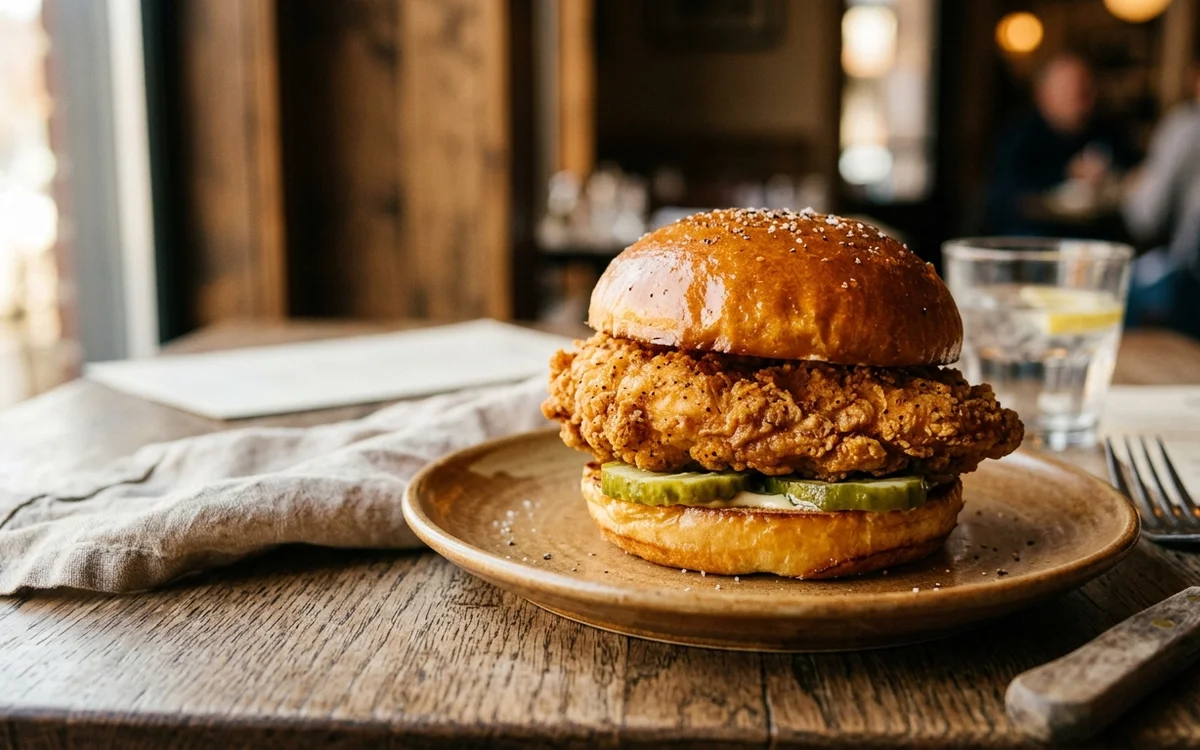
Fig 1.0 — Surface lipid boundary during pressure-induced vapor retention.
I. The Vapor Barrier Principle
When whole-muscle poultry breast meat enters oil at 325°F to 350°F within an unsealed fryer, the rapid phase change of intracellular water into steam violently expels outward. This vaporization creates micro-channels through the breading matrix.
Under hermetic pressure sealing (typically 12–15 psi), the boiling point of internal water is elevated. Instead of escaping, internal moisture creates internal positive pressure. This outward steam pressure physically blocks hot cooking oil from soaking into the meat core.
"Pressure frying does not force oil into the meat; rather, elevated vapor pressure creates a hydraulic barrier that repels excess lipids while locking in moisture."
II. The Refining Process & Allergenic Extraction
Peanut oil is among the few high-stability vegetable lipids capable of repeated thermal cycles without rapid oxidation or polymerization. Unrefined peanut oil contains heat-labile proteins responsible for allergic immunological responses.
During full chemical and physical refining—comprising degumming, neutralization, bleaching, and deodorization—these proteins are stripped to undetectable traces (below 0.5 ppm). Consequently, major food safety bodies, including the US FDA, do not categorize 100% refined peanut oil as a major food allergen.
III. Sensory & Textural Implications
Because refined peanut oil has an exceptionally neutral flavor profile and high smoke point (approximately 450°F / 232°C), it does not mask the subtle paprika, garlic, and citrus seasonings of the breading blend.
The result is a clean, dry mouthfeel that highlights the savory umami of whole-muscle poultry rather than the greasy aftertaste common in lower-temperature open vats.
Related Research Papers
The Architecture of Rest: Institutional Rhythm in 24/7 Food Service
Examining the social, operational, and psychological outcomes of Sunday dining room closures.
In a retail economy predicated on continuous commerce, deliberately relinquishing 14% of operational capacity creates durable organizational resilience.
Enzymatic Stability and Cold-Press Extraction in Three-Ingredient Citrus
Why unpasteurized daily squeezed lemon juice behaves fundamentally differently from reconstituted concentrate.
A biochemical analysis of essential oil expression, sucrose balance, and ambient oxidation in scratch-made citrus beverages.