
The Architecture of Rest: Institutional Rhythm in 24/7 Food Service
Examining the social, operational, and psychological outcomes of Sunday dining room closures.
In modern multi-unit food service, seven-day continuous scheduling is ubiquitous. By introducing a non-negotiable weekly cessation of operations, an enterprise alters the fundamental social compact between worker, franchisee, and customer.
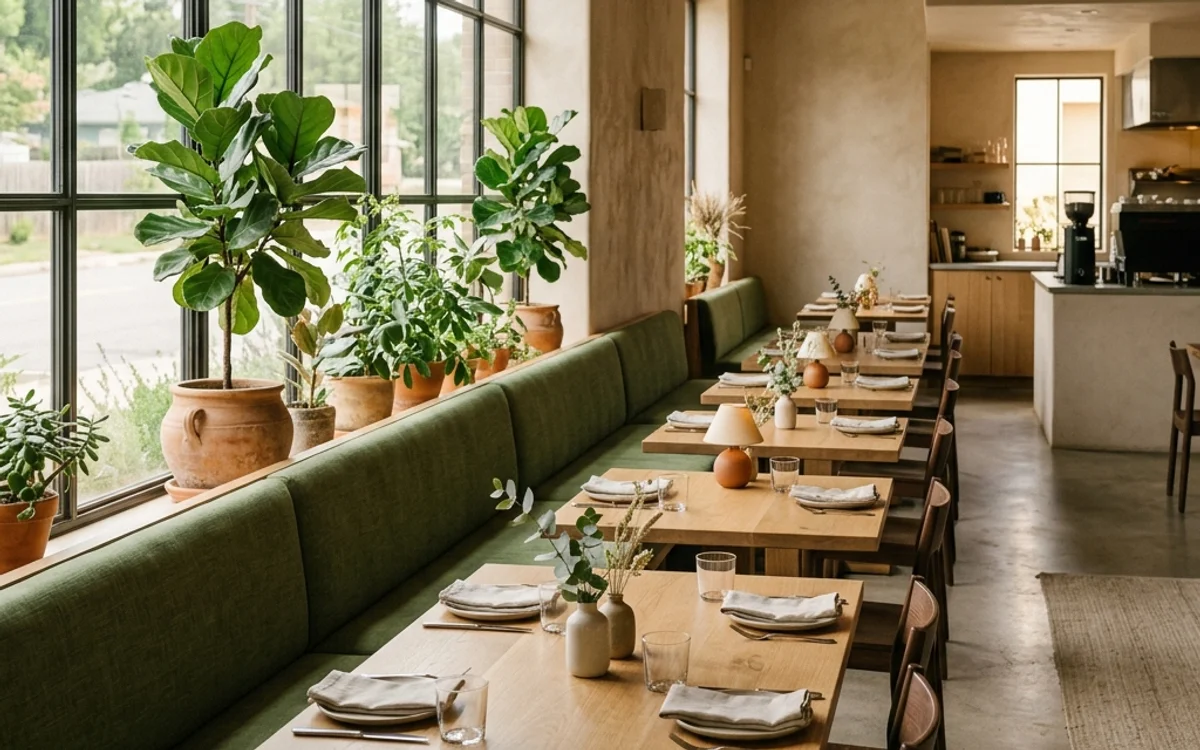
Fig 1.0 — A quiet dining room resting under ambient Sunday light.
I. The Problem of Continuous Scheduling
The restaurant industry is historically plagued by erratic scheduling, split shifts, and compounding physical exhaustion. When shifts rotate without predictable anchor points, employee retention plummets, and operational consistency deteriorates.
A guaranteed, universal day of rest re-anchors the human element. Operators and crew members plan personal milestones, family commitments, and rest without the perpetual anxiety of unexpected shift summons.
"Predictable collective rest is fundamentally distinct from staggered individual days off: it creates an institutional rhythm that humanizes food service."
II. The Economic Paradox of Intentional Restraint
Conventional financial modeling assumes that closing one day out of seven represents a direct 14.3% forfeiture of top-line revenue. Yet per-unit production metrics across high-efficiency restaurant operations frequently defy this assumption.
When team members operate with higher stamina and lower chronic burnout, order accuracy, drive-thru throughput, and culinary execution rise significantly during the six working days, offsetting the foregone day.
III. Cultural Resonance and Consumer Expectation
Counterintuitively, scarcity breeds affection. The widely recognized phenomenon of craving chicken on Sunday reinforces brand salience. Rather than driving frustration, it cements the perception that the enterprise values principle over opportunistic volume.
Related Research Papers
Thermodynamics of Refined Peanut Oil in Sealed Pressure Systems
Phase transformation, moisture retention, and boundary lipid dynamics in high-heat chicken preparation.
An investigation into how 450°F refined peanut oil under vapor pressure creates an impenetrable moisture barrier, delivering crisp crusts without lipid saturation.
Enzymatic Stability and Cold-Press Extraction in Three-Ingredient Citrus
Why unpasteurized daily squeezed lemon juice behaves fundamentally differently from reconstituted concentrate.
A biochemical analysis of essential oil expression, sucrose balance, and ambient oxidation in scratch-made citrus beverages.