Starch Retrogradation and Lattice Geometry in Russet Potato Frying
Convective oil currents, surface-area maximization, and steam venting in cross-cut tuber morphology.
The culinary efficacy of the French fry hinges on managing starch gelatinization within the tuber matrix while rapidly evacuating surface moisture. The cross-cut waffle morphology creates perpendicular channels that increase external surface area by 118% compared to standard julienne cuts, inducing uniform crust formation while allowing steam to escape.
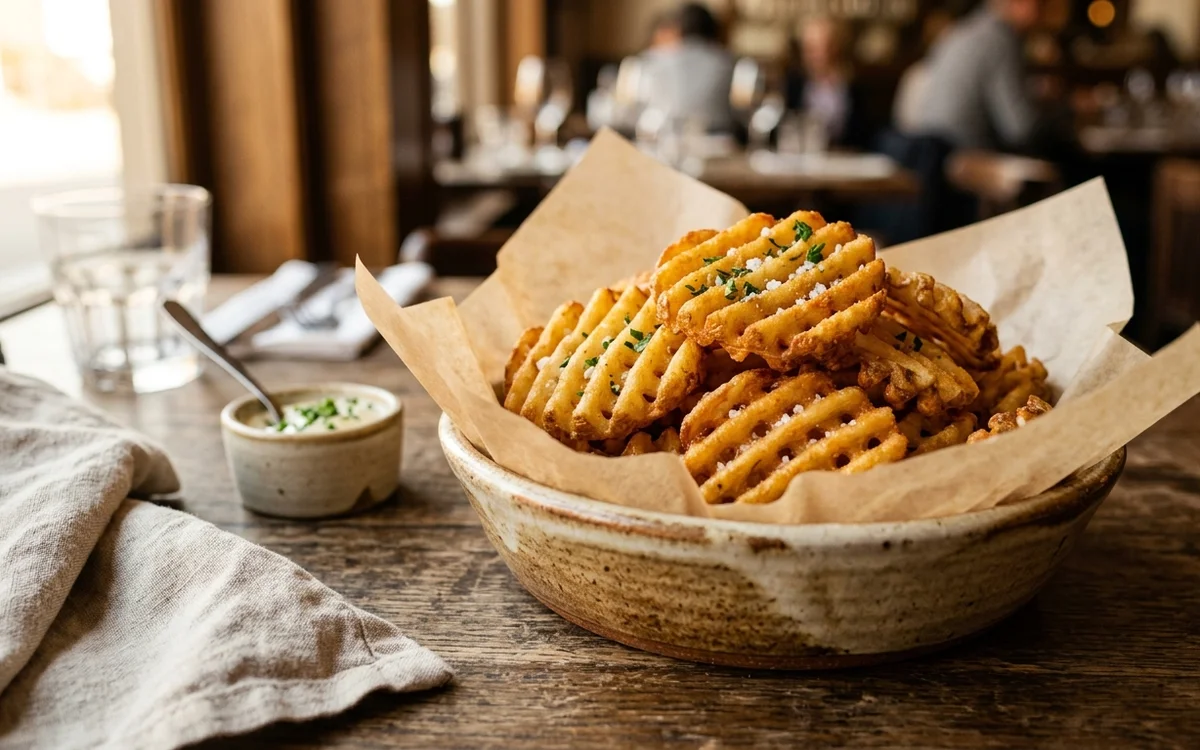
Fig 1.0 — Lattice geometry optimizing heat convection currents and moisture dissipation.
I. The Surface-to-Volume Thermodynamics
Standard rectangular batonnet French fries suffer from poor steam evacuation: as internal water reaches boiling temperature, vapor migrates toward the crust. If the outer perimeter lacks sufficient pore geometry, steam condenses beneath the crust, resulting in rapid post-fry limpness.
The lattice structure introduces open interior windows. Hot canola oil circulates freely through the perforations, cooking the potato simultaneously from the inside and outside, and allowing moisture vapor to vent unobstructed into the atmosphere.
"The open windows of a waffle cut act as natural thermal exhaust ports, preventing internal steam from compromising the crisp outer starch matrix."
II. Russet Starch Density and Specific Gravity
Not all potatoes behave identically in high-heat frying. Chick-fil-A selects Pacific Northwest Russet Burbank varieties characterized by high specific gravity and elevated starch-to-water ratios.
Higher starch content ensures that during the blanching and frying phases, amylose molecules leach to the surface to form a glass-like carbohydrate barrier, delivering a crisp audible crunch while leaving the interior fluffy and light.
III. Post-Kettle Crystallization
Immediately upon emergence from the 350°F oil bath, the surface starches begin rapid cooling and recrystallization (retrogradation). Dusting with sea salt at this precise thermal window binds the sodium crystals directly to the lipid film.
The result is a side dish that retains structural rigidity and textural contrast from restaurant service to table.
Related Research Papers
Thermodynamics of Refined Peanut Oil in Sealed Pressure Systems
Phase transformation, moisture retention, and boundary lipid dynamics in high-heat chicken preparation.
An investigation into how 450°F refined peanut oil under vapor pressure creates an impenetrable moisture barrier, delivering crisp crusts without lipid saturation.
The Architecture of Rest: Institutional Rhythm in 24/7 Food Service
Examining the social, operational, and psychological outcomes of Sunday dining room closures.
In a retail economy predicated on continuous commerce, deliberately relinquishing 14% of operational capacity creates durable organizational resilience.