
Enzymatic Stability and Cold-Press Extraction in Three-Ingredient Citrus
Why unpasteurized daily squeezed lemon juice behaves fundamentally differently from reconstituted concentrate.
Most commercial lemonades rely on flash-pasteurized concentrates diluted with high-fructose corn syrup, eliminating volatile limonene and citral compounds. Freshly squeezing whole lemons daily on-site preserves the complex acidity curve that balances sweet sucrose without synthetic citric acid additives.
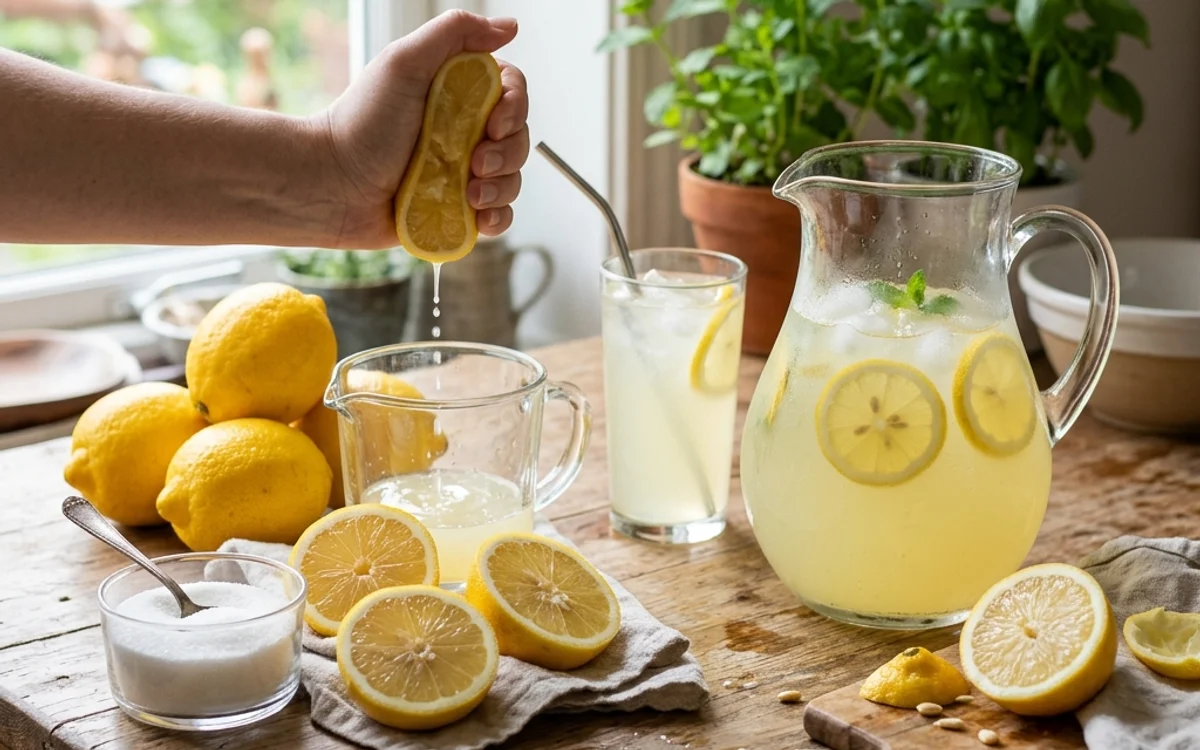
Fig 1.0 — Fresh citrus extraction preserving cellular aromatic terpenes.
I. The Volatility of Citrus Terpenes
The characteristic aroma of fresh lemon does not reside exclusively within the juice vesicle pulp; it is concentrated in the flavedo oil glands located on the outer peel. When whole lemons are extracted mechanically with calibrated pressure, trace micro-droplets of peel essential oils blend with the acidic juice.
Thermal pasteurization permanently alters these terpenes, producing cooked off-flavors. Fresh, chilled extraction preserves the sharp, aromatic top notes that define true scratch lemonade.
"Real lemonade requires the aromatic tension between the flavedo oil glands and the acidic juice sac—a balance lost the moment heat pasteurization is applied."
II. The Chemistry of Pure Cane Sucrose
High-fructose corn syrup (HFCS) contains unbound free monosaccharides (fructose and glucose) that coat the tongue with lingering sweetness. Pure cane sugar (sucrose), by contrast, provides a clean initial sweetness spike that dissipates rapidly, leaving the palate clean for subsequent bites of savory food.
By utilizing pure cane sugar dissolved directly into cold citrus juice and filtered water, the beverage acts as an active palate cleanser rather than a heavy syrup.
Related Research Papers
Thermodynamics of Refined Peanut Oil in Sealed Pressure Systems
Phase transformation, moisture retention, and boundary lipid dynamics in high-heat chicken preparation.
An investigation into how 450°F refined peanut oil under vapor pressure creates an impenetrable moisture barrier, delivering crisp crusts without lipid saturation.
The Architecture of Rest: Institutional Rhythm in 24/7 Food Service
Examining the social, operational, and psychological outcomes of Sunday dining room closures.
In a retail economy predicated on continuous commerce, deliberately relinquishing 14% of operational capacity creates durable organizational resilience.