
Colloidal Emulsion Stability and Shear-Thinning Viscosity in Dipping Condiments
Balancing lipid-in-water phase stability, mustard mucilage suspensions, and sensory mouthfeel.
A condiment must meet two opposing physical demands: high resting viscosity to cling against vertical surfaces of breaded poultry, and low dynamic viscosity under mouth shear to release aromatic volatile compounds across the tongue. This paper examines how egg yolk phospholipids and natural mustard mucilages establish an ideal pseudoplastic emulsion.
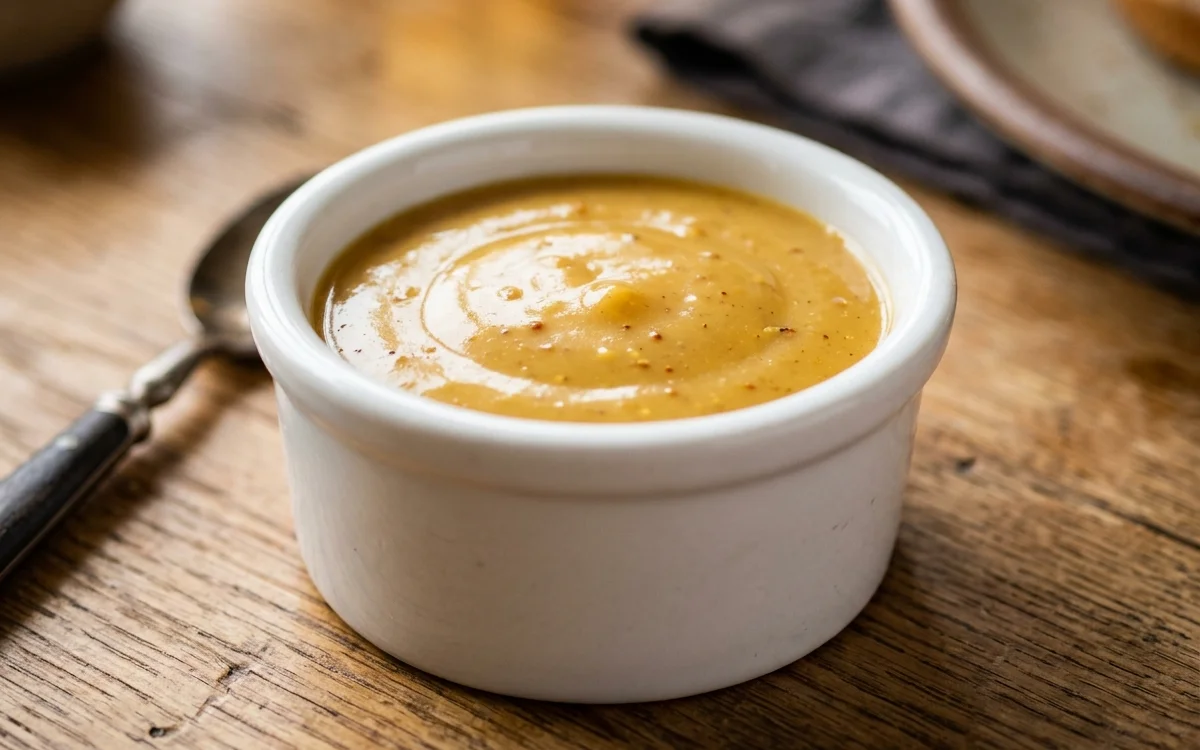
Fig 1.0 — Colloidal lipid suspension exhibiting pseudoplastic shear-thinning characteristics.
I. The Rheological Challenge of Cling Factor
In Newtonian fluids like water or pure honey, viscosity remains constant regardless of applied force. For a dipping sauce, Newtonian behavior is disastrous: a low-viscosity sauce drips off the chicken, while a high-viscosity sauce feels heavy and cloying.
Chick-fil-A Sauce utilizes non-Newtonian pseudoplastic shear-thinning. At rest, the colloidal network of egg yolk lecithin and mustard polysaccharides resists gravity, enabling the sauce to cling tenaciously to hot fried poultry.
"Ideal condiment rheology requires that a sauce behave like a gel when resting on a waffle fry, but melt instantly into a velvet liquid the moment it contacts the palate."
II. Phase Stability Across Thermal Gradients
Dipping sauces are subjected to violent thermal shock when room-temperature sauce meets 165°F freshly fried chicken. Without robust thermodynamic stability, the lipid phase separates into an unappealing oily sheen.
By precisely balancing water activity, vinegar acidity, and phospholipid surfactants, the emulsion maintains thermodynamic phase integrity, preventing fat coalescence even under sustained heat transfer.
III. Triglyceride Flavor Encapsulation
The micro-droplets of oil suspended in the aqueous matrix encapsulate fat-soluble aroma molecules from natural hickory smoke and paprika. As the sauce warms in the mouth, these lipid globules melt, releasing volatile flavor compounds in sequenced waves.
The initial sensory perception is honeyed sweetness and mustard acidity, followed by a sustained smoky umami finish that complements the savory chicken crust.
Related Research Papers
Thermodynamics of Refined Peanut Oil in Sealed Pressure Systems
Phase transformation, moisture retention, and boundary lipid dynamics in high-heat chicken preparation.
An investigation into how 450°F refined peanut oil under vapor pressure creates an impenetrable moisture barrier, delivering crisp crusts without lipid saturation.
The Architecture of Rest: Institutional Rhythm in 24/7 Food Service
Examining the social, operational, and psychological outcomes of Sunday dining room closures.
In a retail economy predicated on continuous commerce, deliberately relinquishing 14% of operational capacity creates durable organizational resilience.